Liquid-Cooled vs Air-Cooled Battery Storage: Which Fits Your Project?
Liquid cooling keeps large cabinets at a uniform temperature; air cooling is simpler and suits smaller cabinets. This guide compares both, with examples from the Synex range.
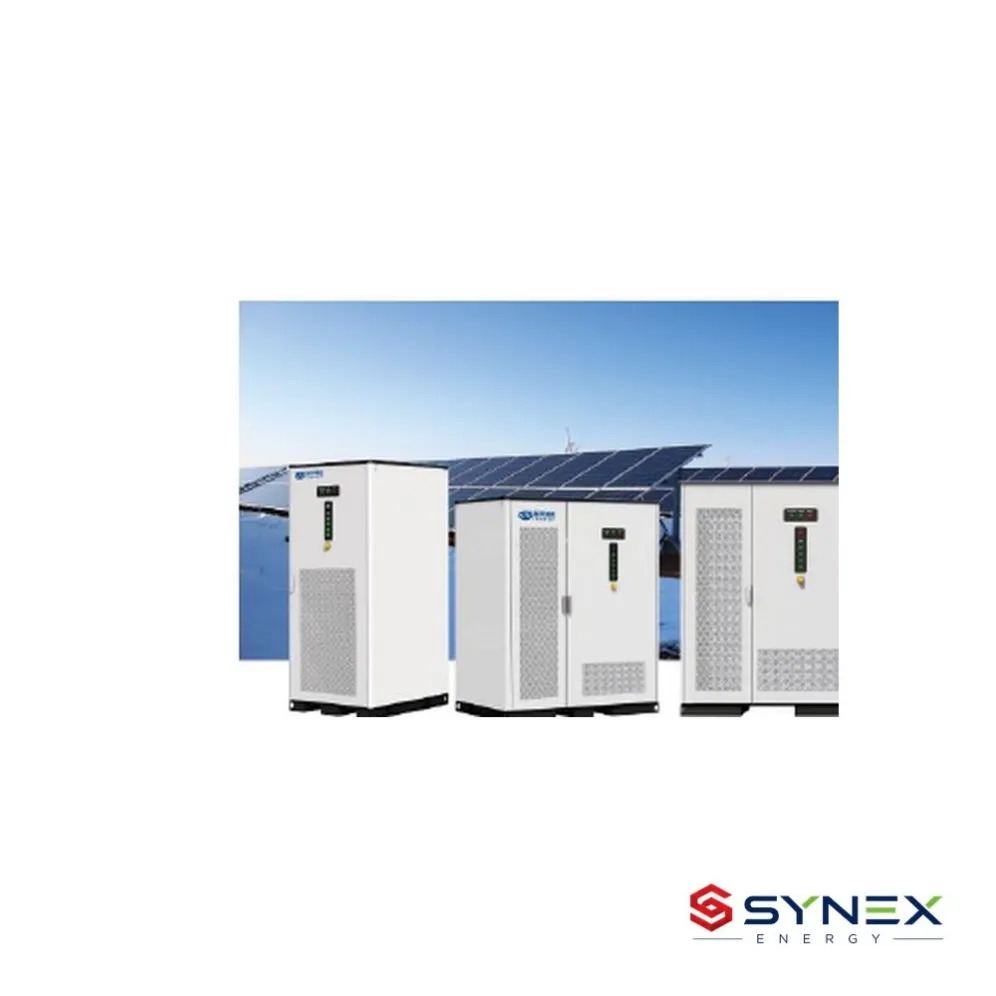
Air cooling suits smaller cabinets and moderate loads. Liquid cooling fits larger, high-power cabinets where temperature uniformity and continuous output matter. The difference is not which one is better in general, but which one matches the size and the duty of your project. This guide explains both, with examples from the Synex range.
How each one works
An air-cooled battery cabinet moves air over the battery modules with fans. Heat leaves the cells into the air and out of the cabinet. It is a simple arrangement with familiar parts. A liquid-cooled cabinet circulates a coolant through channels or plates next to the cells, carrying heat to a radiator. The coolant reaches every cell evenly, so the temperature spread across the pack stays small. Both approaches keep the battery within its working range — they just do it differently.
What liquid cooling does well
Uniform temperature is the main advantage. When every cell sits at nearly the same temperature, the pack ages evenly and delivers its rated output steadily, even under a high charge or discharge rate. That is why liquid cooling appears on larger systems: the 215kWh / 100kW liquid-cooled all-in-one cabinet is built around it, and the liquid-cooled C&I cabinet in the 500kWh class with 250kW, listed on our Solutions page, is a custom project for the same reason. Liquid cooling also suits sites that cycle the battery hard every day — for example PV + diesel microgrids, where the cabinet charges and discharges through the day. The Synex liquid-cooled cabinet switches to off-grid operation in under 10ms, so backup stays fast even at this scale.
What air cooling does well
Air cooling is simpler: fewer parts, no coolant circuit, and straightforward servicing. For cabinets up to the 100kW / 215kWh size it is the usual choice. The 20kW / 107.52kWh outdoor air-cooled cabinet and the 100kW / 215kWh outdoor storage cabinet are both air-cooled outdoor cabinets — the 100kW cabinet carries IP54 protection and a built-in PCS and fire suppression, and switches to off-grid operation in 20ms or less. Air cooling serves factories, shops and commercial sites well when the cabinet's power and duty are moderate, and when the site values simple maintenance over maximum continuous output.
Which fits your project?
Work through these five questions:
- How much power? Up to around 100kW, air cooling is common. Above that, or for continuous high-power discharge, liquid cooling becomes the safer choice.
- How hard will the battery cycle? A battery that charges and discharges deeply every day — for example in a solar + diesel microgrid — benefits most from the even temperatures of liquid cooling.
- Where will it sit? Outdoor cabinets need weather protection either way: IP54 on the 100kW / 215kWh air-cooled cabinet is one example. Check the rating of the model you choose, not the cooling type alone.
- How fast must backup switch over? The air-cooled cabinets switch in 20ms or less; the liquid-cooled cabinet in under 10ms. Either is fast enough for most loads — the difference matters for sensitive equipment.
- What does maintenance look like? Air-cooled cabinets are simpler to service; liquid-cooled cabinets add a coolant circuit. Ask us what servicing each model needs at your site.
At a glance
| System | Cooling | What it suits |
|---|---|---|
| 20kW / 107.52kWh outdoor cabinet | Air-cooled | Shops, small factories, backup power |
| 100kW / 215kWh outdoor cabinet (IP54) | Air-cooled | Commercial sites, peak shaving, outdoor use |
| 215kWh / 100kW all-in-one cabinet | Liquid-cooled | PV + diesel microgrids, high-duty sites |
| 500kWh class, 250kW cabinet (custom) | Liquid-cooled | Larger C&I projects, available on request |
Frequently asked questions
Does liquid cooling make a battery last longer?
Even temperature helps a pack age evenly, but cycle life is a figure per manufacturer test conditions — check the rating of the model you buy, and how you use it, rather than assuming one cooling type doubles life.
Is air cooling noisier?
Air-cooled cabinets use fans, so they make some fan noise when working hard. If the cabinet sits close to offices or homes, ask about fan noise for the model you are considering.
Can I switch cooling types later?
No — cooling is built into the cabinet. Choose the right type when you buy; if your needs grow, add a liquid-cooled cabinet alongside an air-cooled one rather than converting it.
Which one costs less?
Pricing depends on configuration, quantity and destination, so there is no single answer. Get a quote for both options on your project and compare them on total cost, not on the cabinet alone.
Get a quote
Tell us about your site — loads, solar, and how the battery will be used — and we will recommend the cooling type and size that fit. Contact us or open the Get a Quote dialog in the header, and we will follow up with next steps.